
What Is It?
A. Definition
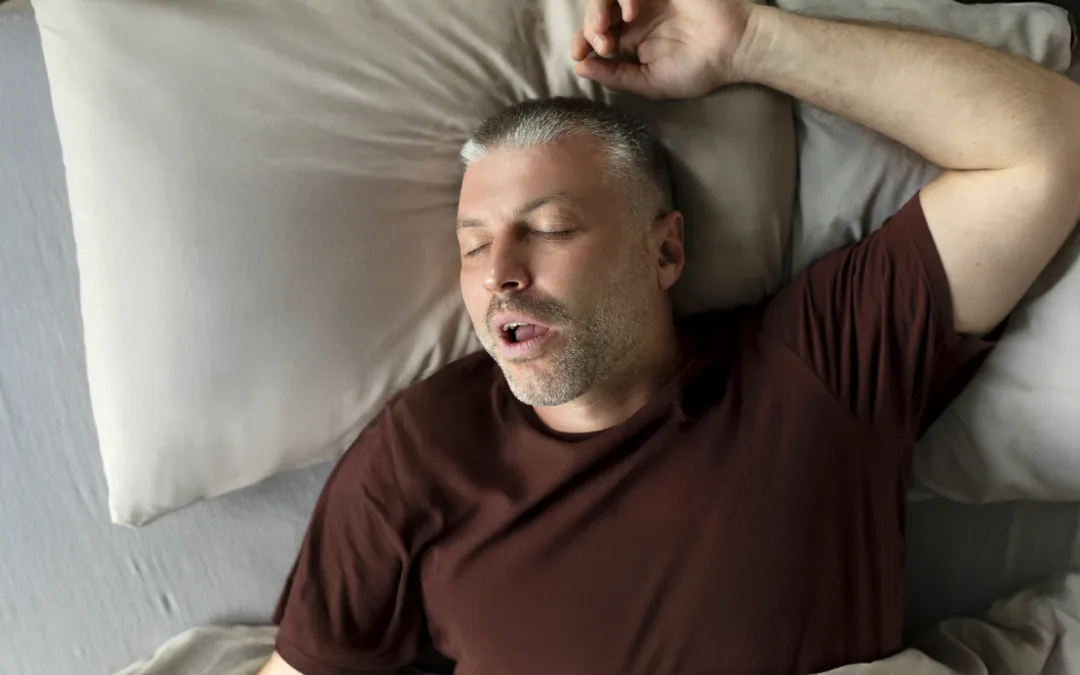
- Repeated episodes of upper airway collapse during REM sleep, leading to snoring, choking, or gasping.
- Apnoea: complete cessation of breathing.
- Hypopnoea: partial obstruction with decreasing oxygen or waking.
B. Key Symptoms
- Loud snoring
- Excessive daytime sleepiness
C. Prevalence
- Affects more than 10% of men and 5% of women, increasing with rising obesity.
- Estimated 12 million South Africans and 1 billion people worldwide.
D. Risk Factors
- Anatomy: small jaw, large tongue, or excess neck tissue (thick neck)
- Obesity
- Age: risk peaks around age 70
Diagnosis and Severity
A. Workup
- Detailed history (including tools like the Epworth Sleepiness Scale)
- Physical examination, including flexible nasopharyngolaryngoscopy
B. Formal Diagnosis (Sleep Studies)
- SnoreLab App (phone-based screening)
- DISE (Drug-Induced Sleep Endoscopy)
- Full Sleep Study (Polysomnography)
Severity (AHI - apnoea/hypopnea index).
- Mild: 5-15 per hour
- Moderate: 15-30 per hour
- Severe: More than 30 per hour.
Key Health Predictor
- ODI: Oxygen desaturation index
(Oxygen will drop during apnoea)
Treatment Approaches
Behavioral and Lifestyle
- Weight loss (Ozempic if BMI more than 35).
- Positioning eg lying on side.
- Avoidance eg alcohol, sedatives.
Medicines:
- Acid suppressants (PPI)
- Nasal steroid sprays
① PAP (Positive Airway Pressure) Mask
- Gold standard
- Effectiveness: high, but compliance low (40%)
2) MAD (Mandibular Advancement Devices)
— Dental appliance to keep lower jaw forward
Another device: Bongo (small nasal device with a one way valve).
3) Surgery:
— Site specific eg Tonsillectomy (often to aid PAP)
— Palate eg to shorten and firm up
— PAP failure eg MLS (Multi Level Surgery) involving possibly nose, tongue and palate. Regarded as salvage surgery.
— Newer eg Mandibular and Maxillary advancement, Hypoglossal nerve stimulation.
Health risks will be discussed in next blog