
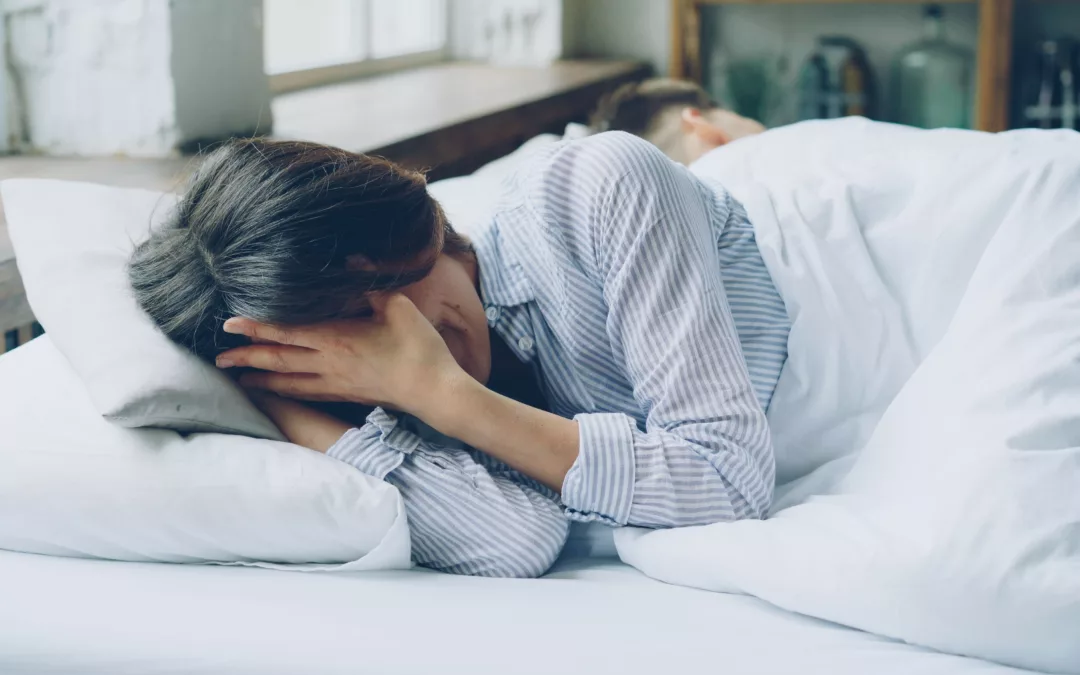
1. Hypersomnia
Excessive daytime sleepiness with involuntary falling asleep.
Causes: severe snoring, shift work.
In children, this often manifests as hyperactivity.
2. Narcolepsy
A. Definition: uncontrollable “sleep attacks” with chronic fatigue.
B. Type 1
- Sudden buckling of the knees caused by strong emotion, e.g. laughing.
- This is called cataplexy.
- The patient is fully awake.
- It is probably caused by a deficiency of the wakefulness hormone Orexin.
- There is a sudden intrusion of REM atonia into wakefulness.
Type 2
- Irresistible short sleep attacks, e.g. when talking or eating, without cataplexy.
Treatment: stimulants, e.g. Provigil.
3. Circadian Rhythm Disorders
A. Definition — Misalignment between the internal body clock and the 24-hour day.
B. Diagnosis — A small "watch" is worn (actigraphy) measuring movement and light.
C. Types
Delayed Sleep Phase Disorder
This occurs in adolescent "night owls" and is treated by morning light.
Advanced Sleep Phase Disorder
This occurs in the elderly "early birds" and is treated by evening lights.
Non-24-hour Rhythm Disorder
This occurs in e.g. blind people and is treated by e.g. meal cues.
4. Movement Related Sleep Disorders
A. Periodic Limb Movements (PLMS)
- This occurs during sleep and causes arousals and sleep deprivation.
B. Restless Leg Syndrome (often has PLMS)
- This occurs in the evening while awake and is the irresistible urge to move legs.
- May be linked to iron deficiency.
5. Abnormal Sleep Behaviour
A. Non-REM
Sleeping brain, awake body (no memory of events).
e.g. Sleepwalking
Sleep Terrors
- These occur in the first third of the night in children and resolve by adolescence.
- They sit up screaming with eyes wide open.
- There may be a family history, and they may have triggers e.g. snoring, fever, stress.
- These children are managed by keeping the child safe, treating triggers, and even medication e.g., melatonin.
B. REM
Active brain, active body (dreams remembered).
Can physically act out dreams e.g. defending against an attack (normally, with REM sleep, muscles are inactivated).
These include Nightmare Disorder.
6. Sleep Enuresis
1 – Bed-wetting after the age of 5 (not resolved by the age of 8)
2 – If the bed is dry for longer than 6 months
3 – May be associated with anxiety, stress and even diabetes.
Management is: fluid restriction and treating the cause if 2°.